
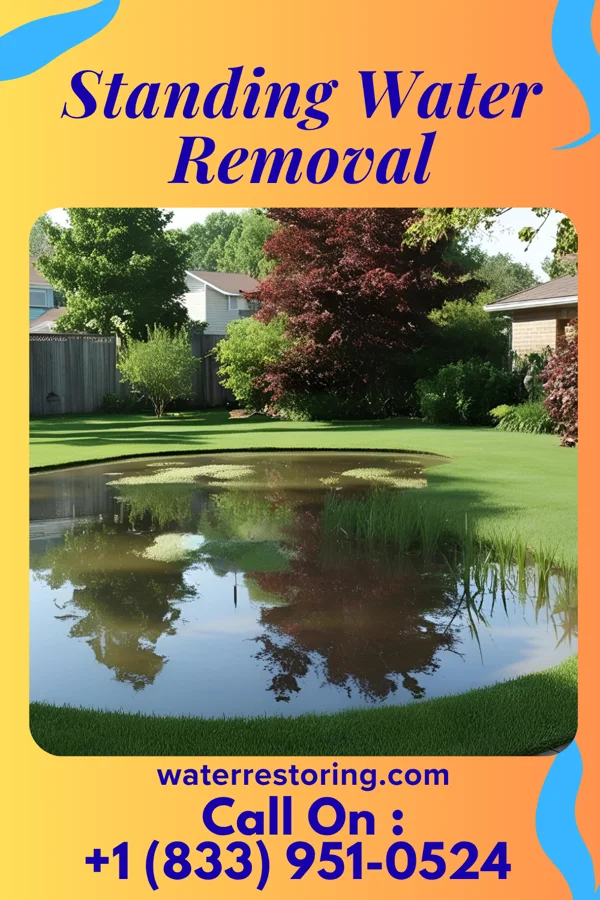
Standing Water Across Walnut Grove Neighborhoods
Every neighborhood in Walnut Grove has a different water damage risk profile. The one that shows up on most restoration calls is In Walnut Grove, Minnesota, the primary water damage causes are often related to heavy spring rains and snowmelt, which can lead to basement flooding. Additionally, plumbing leaks from aging infrastructure in rural areas are a common issue, especially in older homes with outdated piping systems.. A close second is Secondary causes include sewer backups during extreme weather events, which are more frequent in the spring and fall. Additionally, groundwater seepage through cracks in foundations is a recurring problem due to the area's high water table and clay soil composition..
Walnut Grove experiences a continental climate with cold winters and warm, humid summers, which can exacerbate moisture issues. The region's frequent thunderstorms and occasional flooding increase the risk of water damage, particularly in low-lying areas near Revere and Tracy.
Water damage in Walnut Grove follows a few local patterns. In Walnut Grove, Minnesota, the primary water damage causes are often related to heavy spring rains and snowmelt, which can lead to basement flooding. Additionally, plumbing leaks from aging infrastructure in rural areas are a common issue, especially in older homes with outdated piping systems. accounts for the bulk of our calls. Walnut Grove experiences a continental climate with cold winters and warm, humid summers, which can exacerbate moisture issues. The region's frequent thunderstorms and occasional flooding increase the risk of water damage, particularly in low-lying areas near Revere and Tracy. Mold growth can develop rapidly in Walnut Grove due to the high humidity levels during summer months, making prompt water damage restoration critical to prevent health risks and structural damage.